


When you work with linked sales orders, purchase orders, and production orders in Dynamics 365 Business Central, you can transfer data between them either manually or automatically. The Master Data Information app handles the automatic part. It default fills the relevant master data when you select an item and suggests which information to transfer to production order lines and which to transfer to purchase order lines.
You can override every default. If a customer wants a different specification, you change it directly on the order, and you can add free-text instructions where needed. You decide what gets transferred by check marking the relevant fields.
The Master Data Information app depends on the Configurator. Together they let you build a three-level master data structure, so you can define specifications and options for each item in a way that resembles a questionnaire.
Transferring data from sales order to purchase order manually
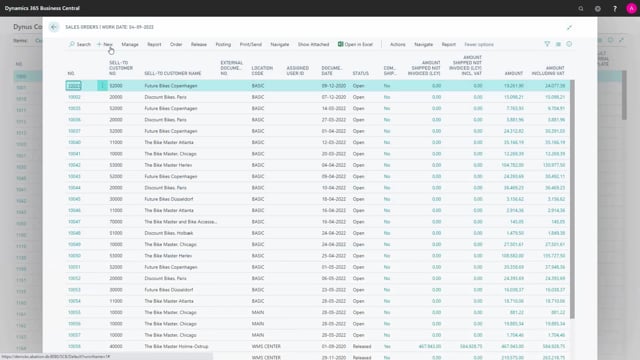
The data flow from the sales order to the purchase order can be entered manually. You create a new sales order, enter an item number and a quantity, and build the order hierarchy the way you want it. You enter the information directly on the item or in the master data information.
This works fine when you only need to handle a few orders, but it means typing in everything yourself each time.
Using the Master Data Information app for default values
In most cases you want the information to be filled in by default instead of entering it manually. That is what the Master Data Information app does. When you enter an item, it default fills all the relevant master data and suggests which fields to transfer to the production order lines and which to transfer to the purchase order lines.
You stay in control of the result. You can select a different option, for example another tire type, if the customer requires it. These are the configurable choices the customer would normally tell you about, so the setup behaves like a little questionnaire. You can also type free text directly, such as an instruction to paint the item red.
Before the data moves on, you check mark the information you want to transfer to the next order in the hierarchy. Only the marked fields are carried forward.
How Master Data Information connects to the Configurator
The Master Data Information app has a dependency on the Configurator and is part of the same setup. When you select an item, you can define specifications on it, and there is a lot you can define. You structure the information in levels, for example by setting up different gears that the user can choose between.
This gives you a three-level master data information list. In short, this is where you store the data you want to transfer through the system. There are several videos on Use Dynamics that explain the app in more detail.
Q&A
Can I transfer data between sales orders and purchase orders manually in Business Central?
Yes. You can create a new sales order, enter the item number and quantity, build the hierarchy, and enter the information directly on the item or in the master data. The Master Data Information app automates this, but manual entry is fully supported.
What does the Master Data Information app do?
It default fills the master data when you select an item and suggests which information to transfer to production order lines and which to transfer to purchase order lines. You decide what is actually transferred by check marking the relevant fields.
Can I override the default values suggested by the app?
Yes. You can select a different option, such as another tire type, and you can add free-text instructions, for example to paint an item red. The defaults are a starting point, not a fixed result.
Does the Master Data Information app require the Configurator?
Yes. The Master Data Information app has a dependency on the Configurator and is part of the same setup. Together they let you build a three-level master data information list where you define item specifications.