


When you work with warehouse management in Business Central, the default bin setup on the location card controls how your warehouse documents move items around. Configure default bins for shipping, production, receipt, adjustment, and cross-docking so the system knows where to place and pick items automatically.
The shipment bin defines where picked items wait before shipping. When you create a warehouse pick from a warehouse shipment, the system suggests picking the item from somewhere in the warehouse and then placing it in the shipment bin.
The adjustment bin holds items during a warehouse adjustment. The adjustment bin is locked for picking until you synchronize the adjustment against the item journal.
You define all default bins on the Bins FastTab on the location card. You can name your bins whatever you like in the bin table.
Default bins on the location card
On the location card, you set up a series of default bins for your warehouse documents. These bins tell Business Central where items belong at each step in the warehouse process.
You find the settings on the Bins FastTab on the location card. Here you define the default bins for shipping, production, receipt, adjustment, cross-docking, and so on. You can call the bins whatever you like in your bin table, so you have full control over the naming.
How the shipment bin works
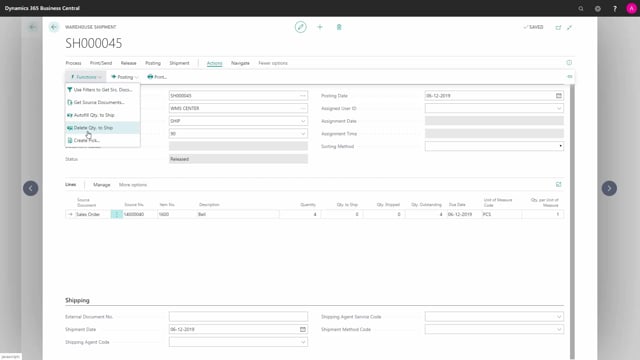
When you create a warehouse shipment, the system fills in the bin code as the default shipment bin. This means that when you create a warehouse pick from that warehouse shipment, the system suggests picking the item from somewhere in the warehouse and then placing it in the shipment bin.
You can see the shipment bin code on the last line of the pick. This is where the item stays until you actually ship it.
How the adjustment bin works
The adjustment bin code comes into play when you create a warehouse adjustment. The item is placed in the adjustment bin code, and the adjustment bin is locked for picking. This stays in effect until you synchronize the adjustment against the item journal to update your actual item inventory.
This setup lets you define different bin codes for different purposes, so each type of warehouse document handles items in a controlled and predictable way.
Q&A
Where do you set up default bins in Business Central?
You set up default bins on the Bins FastTab on the location card. Here you define the bins for shipping, production, receipt, adjustment, cross-docking, and other warehouse processes.
What does the shipment bin do?
The shipment bin is where picked items wait before shipping. When you create a warehouse pick from a warehouse shipment, the system suggests picking the item from somewhere in the warehouse and then placing it in the shipment bin, where it stays until you ship it.
Why is the adjustment bin locked for picking?
The adjustment bin holds items during a warehouse adjustment. It stays locked for picking until you synchronize the adjustment against the item journal to update your actual item inventory.
Can you choose your own names for the bins?
Yes. You can name your bins whatever you like in the bin table and assign them as the default bins for each warehouse process.